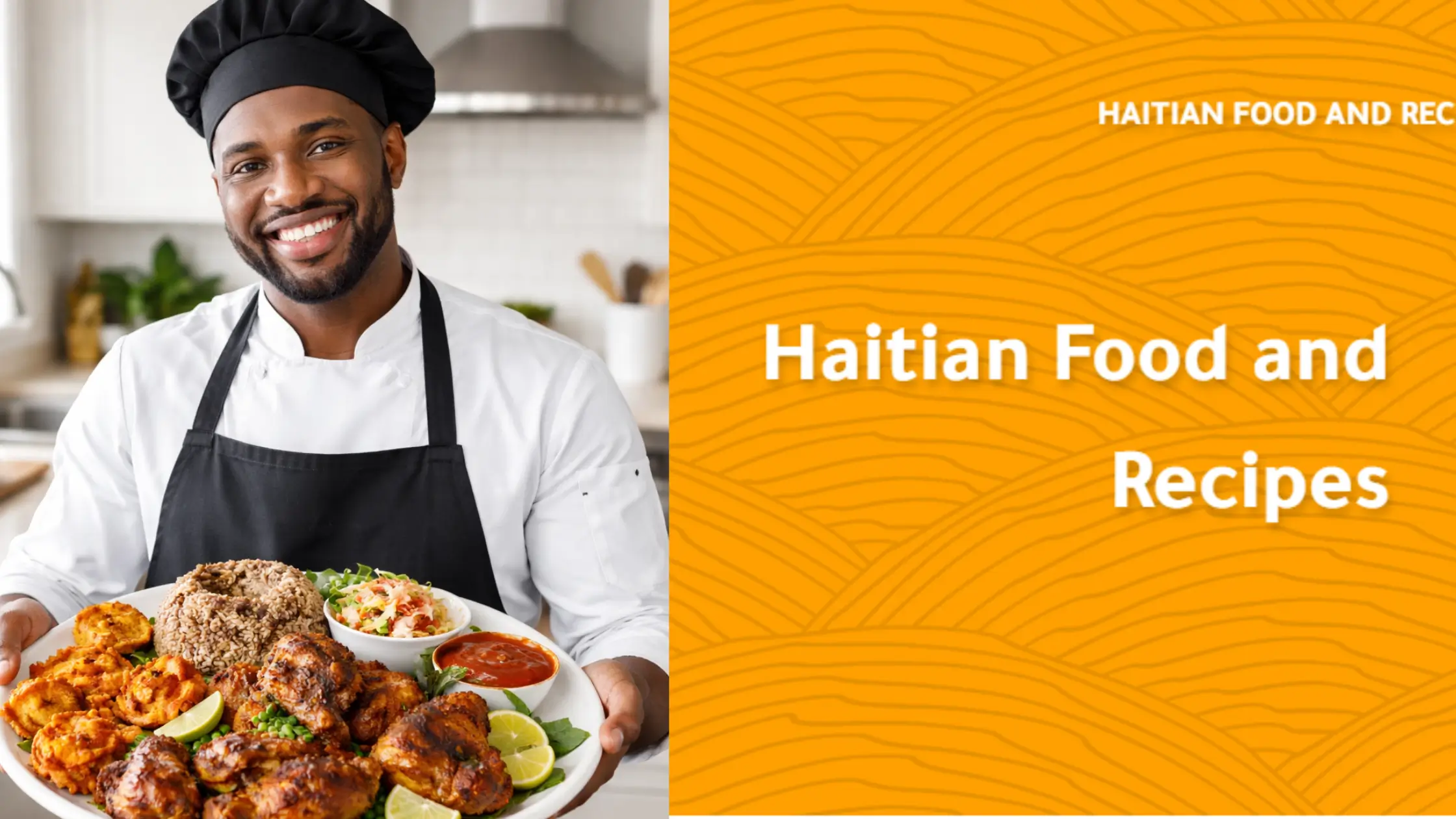
Did you know that Haitian food and recipes are among the most flavorful Caribbean cuisines, yet remain surprisingly underrepresented in American home kitchens? According to culinary historians, Haitian cuisine is a unique blend of African, French, Taíno, and Spanish influences, creating bold flavors that are both comforting and nutritious. Many people believe Haitian food is complicated or spicy beyond comfort, but in reality, most Haitian recipes are simple, affordable, and perfect for home cooking. In this guide, you’ll discover how Haitian food and recipes can be easy to prepare while still delivering rich, authentic taste.
Ingredients List
Haitian cooking relies on fresh, accessible ingredients that are easy to find in most U.S. grocery stores or international markets.
Common ingredients used in Haitian food and recipes include:
- Fresh garlic and onions
- Bell peppers (green preferred)
- Fresh thyme
- Parsley
- Scotch bonnet or habanero pepper (optional, for heat)
- Lime or sour orange juice
- Vegetable oil
- Rice
- Beans (red or black)
- Chicken, beef, fish, or goat
Substitutions & dietary options:
- Olive oil can replace vegetable oil
- Chickpeas or lentils can replace meat for vegan versions
- Jalapeño can replace Scotch bonnet for milder heat
Timing
One of the best things about Haitian food and recipes is that they are time-efficient.
- Preparation time: 20–30 minutes
- Cooking time: 40–60 minutes
- Total time: About 1 hour to 1 hour 30 minutes
This is comparable to, and often faster than, many traditional Caribbean or soul food recipes, which can take over two hours.
Step-by-Step Instructions
Step 1: Prepare the Haitian Epis (Base Seasoning)
Epis is the heart of many Haitian recipes. Blend garlic, onions, bell peppers, parsley, thyme, oil, and lime juice until smooth.
Pro tip: Make extra epis and store it in the freezer for future meals.
Step 2: Clean and Season the Protein
Wash chicken, beef, or fish with water and lime juice. Rub generously with epis.
Common mistake: Skipping this step reduces flavor depth.
Step 3: Sear for Flavor
Heat oil in a pot and lightly brown the seasoned protein. This locks in flavor and enhances texture.
Step 4: Simmer Slowly
Add water or broth and let simmer until tender.
Beginner tip: Low and slow cooking prevents toughness.
Advanced tip: Add epis in stages for layered flavor.
Nutritional Information
Haitian food and recipes can be nutrient-dense when prepared with balance.
Average nutritional values (per serving, varies by recipe):
- Calories: 350–550 kcal
- Protein: 25–40 g
- Carbohydrates: 30–45 g
- Fat: 10–20 g
According to the USDA FoodData Central (USDA, 2023), meals based on lean proteins, beans, and vegetables support muscle health and stable energy levels.
Healthline Media (2022) also highlights that garlic, peppers, and herbs may support heart health and digestion.
Healthier Alternatives for Haitian Recipes
You can easily adapt Haitian food and recipes to fit different dietary needs.
- Low-calorie: Use skinless chicken and reduce oil
- Vegan: Replace meat with beans, lentils, or tofu
- Gluten-free: Most Haitian dishes are naturally gluten-free
- Diabetic-friendly: Pair meals with brown rice or reduce portion sizes
The American Diabetes Association (ADA, 2023) recommends balanced plates with lean protein and fiber-rich vegetables.
Serving Suggestions
Haitian food and recipes are best enjoyed family-style.
- Serve with white or brown rice
- Add a side of beans or plantains
- Pair with a simple green salad
- Great for meal prep and leftovers
These dishes are popular for family dinners, gatherings, and weekend meal prep.
Common Mistakes to Avoid
- Using too much hot pepper (overpowers flavor)
- Skipping epis preparation
- Cooking on high heat only
- Not tasting during cooking
Balancing herbs and heat is key to authentic Haitian flavor.
Storage & Meal Prep Tips
- Store leftovers in airtight containers
- Refrigerate up to 3–4 days
- Freeze for up to 2 months
- Reheat gently on the stovetop with a splash of water
According to the FDA (2023), proper storage helps prevent foodborne illness.
Conclusion
Haitian food and recipes offer bold flavors, cultural richness, and practical home-cooking simplicity. With fresh ingredients and easy techniques, anyone can enjoy authentic Haitian meals at home. Try one recipe today, share your experience in the comments, and subscribe for more global food inspiration.
FAQs
What makes Haitian food unique?
Haitian cuisine blends African, French, and Caribbean influences with bold seasoning.
Is Haitian food spicy?
It can be, but spice levels are adjustable.
Are Haitian recipes healthy?
Many are balanced with protein, vegetables, and herbs.
Can I make Haitian food vegetarian?
Yes, beans and legumes work well.
Where can I find Haitian ingredients in the U.S.?
International grocery stores or online markets.