Best Halal Chinese Food Near Me: Top Restaurants & Dishes0
💖 A Craving You Shouldn’t Have to Question
You know that moment—you’re craving something warm, flavorful, and comforting. Chinese food instantly comes to mind. But then hesitation kicks in: Is it halal? Can I trust this place?
You shouldn’t have to choose between enjoying your favorite dishes and staying true to your values. The good news? Finding halal Chinese food near me is easier than ever—if you know exactly what to look for. This guide will walk you through everything you need so you can order with confidence and enjoy every bite.
What Does “Halal Chinese Food Near Me” Really Mean?
Understanding Halal in Chinese Cuisine
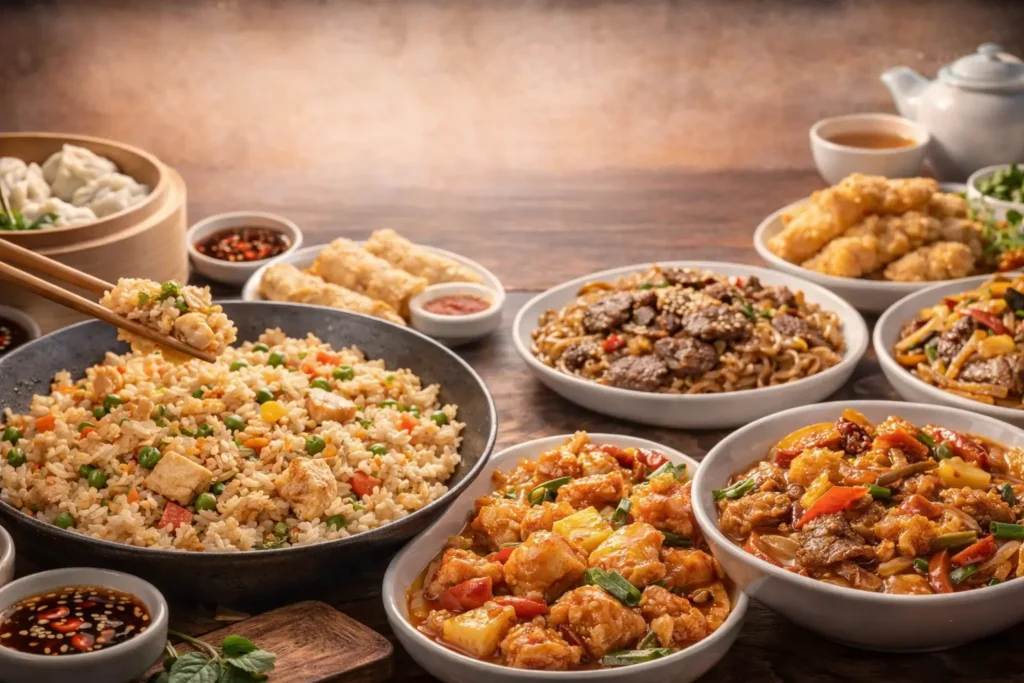
When you search for halal Chinese food near me, you’re not just looking for taste—you’re looking for trust. Halal food means:
- No pork or pork-based ingredients
- Meat sourced and prepared according to Islamic guidelines
- No alcohol used in cooking
Chinese cuisine often includes ingredients like pork or cooking wine, so not every restaurant qualifies. That’s why knowing what “halal” truly means in this context is essential.
Why More People Are Searching for It
More people today want food that aligns with their beliefs without sacrificing flavor. As Muslim communities grow worldwide, restaurants are adapting—and halal Chinese options are expanding in many cities.
How to Find the Best Halal Chinese Restaurant Near You
Use Smart Search Techniques
Start with a simple search: “halal chinese food near me”. Then:
- Check Google ratings (aim for 4★ and above)
- Read recent reviews mentioning “halal”
- Look at real food photos
Verify Before You Order
Don’t rely only on assumptions. Instead:
- Ask the restaurant directly
- Look for halal certification signs
- Check if they mention halal clearly on their menu
Use Trusted Platforms
Some tools make your search easier:
- Google Maps
- Zomato or local food apps
- Halal restaurant directories
Top Halal Chinese Dishes You Should Try
When you finally find a good spot, here’s what you should start with:
- Chicken Fried Rice (Halal) – simple, satisfying, and safe
- Beef Noodles – rich flavor, perfect for a filling meal
- Sweet & Sour Chicken – a balance of crispy and tangy
- Halal Dumplings – soft, juicy, and full of flavor
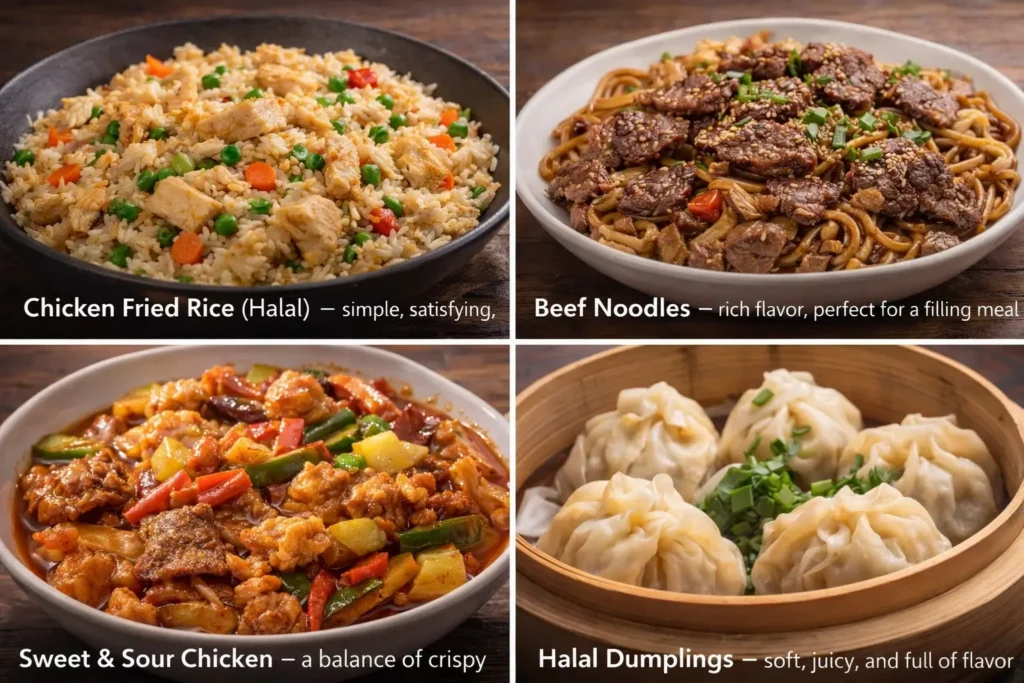
These dishes are popular because they’re quick, affordable, and consistently delicious.
Make It Yourself: Halal Chicken Fried Rice
If you prefer full control, you can recreate the experience at home.
Ingredients
| Ingredient | Quantity |
|---|---|
| Halal chicken breast | 200g |
| Cooked rice | 2 cups |
| Eggs | 2 |
| Halal soy sauce | 2 tbsp |
| Mixed vegetables | 1 cup |
| Garlic | 2 cloves |
Steps
- Cook the chicken and cut it into small pieces
- Scramble the eggs separately
- Sauté garlic and vegetables
- Add rice, chicken, and soy sauce
- Mix everything well and serve hot
This simple recipe gives you peace of mind and great taste at the same time.
Tips Before Ordering Halal Chinese Food
Before you place your order, keep these tips in mind:
- Always confirm the source of the meat
- Avoid dishes that may contain alcohol-based sauces
- Ask about shared cooking equipment
- Read reviews from other Muslim customers
These small steps can make a big difference in your experience.
Why Choosing Halal Chinese Food Matters
When you choose halal, you’re not just following a rule—you’re making a conscious decision. You benefit from:
- Peace of mind while eating
- Better ingredient transparency
- Often cleaner and more controlled preparation
And most importantly, you get to enjoy your food without doubt.
FAQ – Halal Chinese Food Near Me
Is halal Chinese food near me easy to find?
Yes, especially in larger cities. With the right search and verification, you can quickly find reliable options.
How can you confirm a halal Chinese restaurant near me?
Ask directly, check certifications, and read reviews mentioning halal practices.
Are all Chinese dishes halal?
No. Many traditional dishes include pork or alcohol, so you need to choose carefully.
What should you try first?
Start with safe and popular options like chicken fried rice or noodles.
Conclusion: Eat With Confidence, Not Doubt
You don’t have to second-guess your cravings anymore. With the right approach, finding halal Chinese food near me becomes simple, fast, and reliable.
Now it’s your turn. Search, explore, and try a new halal Chinese restaurant today. And when you find a great spot—share it, review it, and help others enjoy the same experience. 🍜